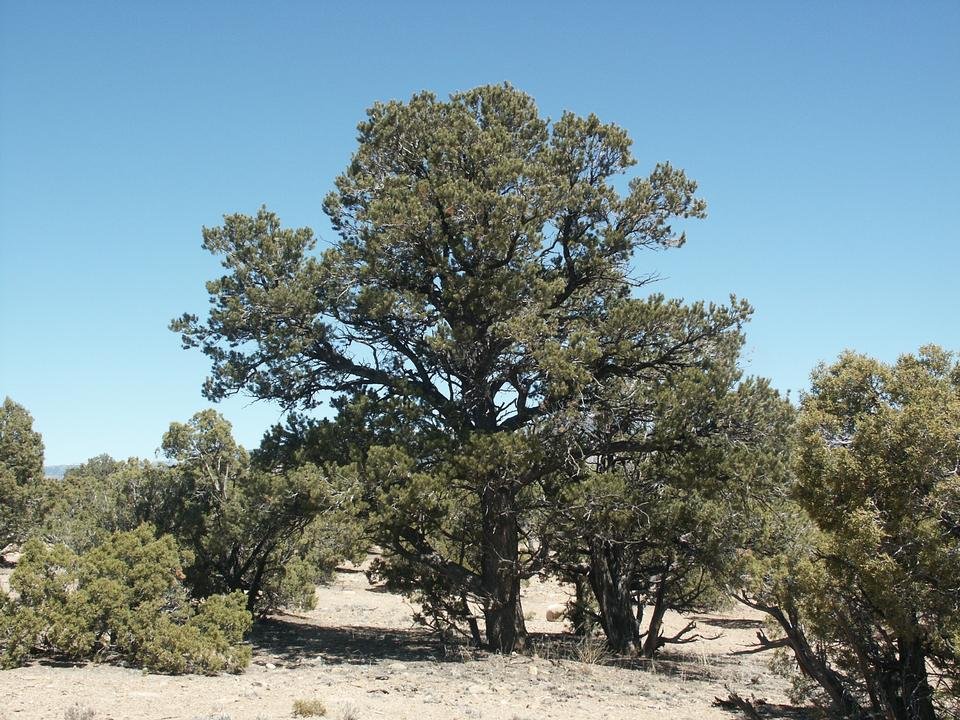
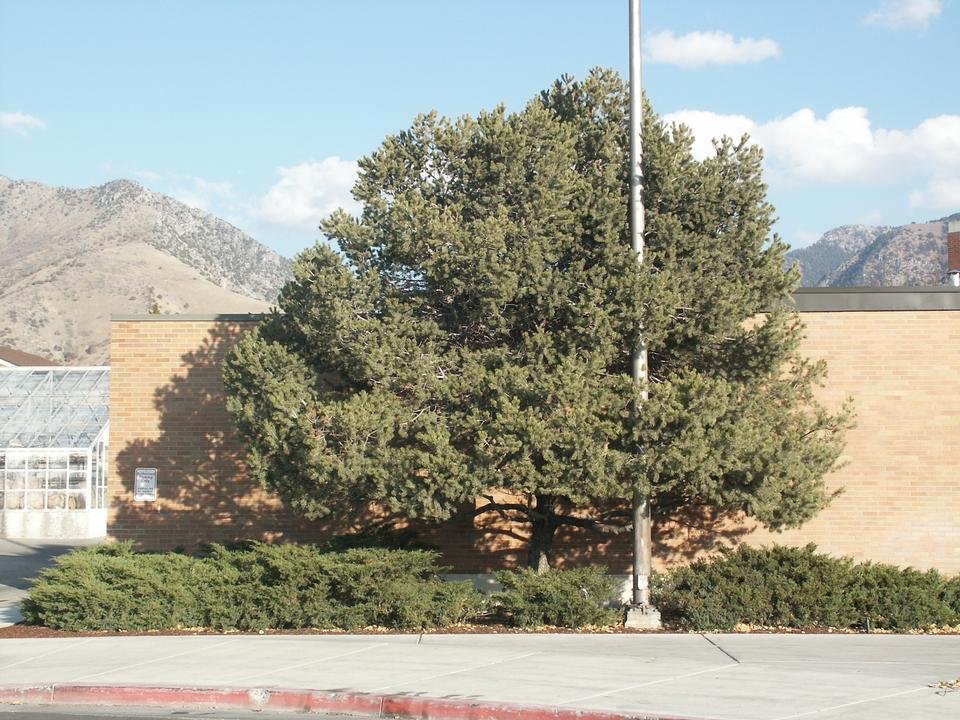
General: Native throughout most of southern, central, and eastern Utah at mid-elevations; and throughout the southwestern U.S. The fruit (seed) is an important food for certain southwestern Indians. Grows on dry sites, often mixed with junipers. Shade intolerant.
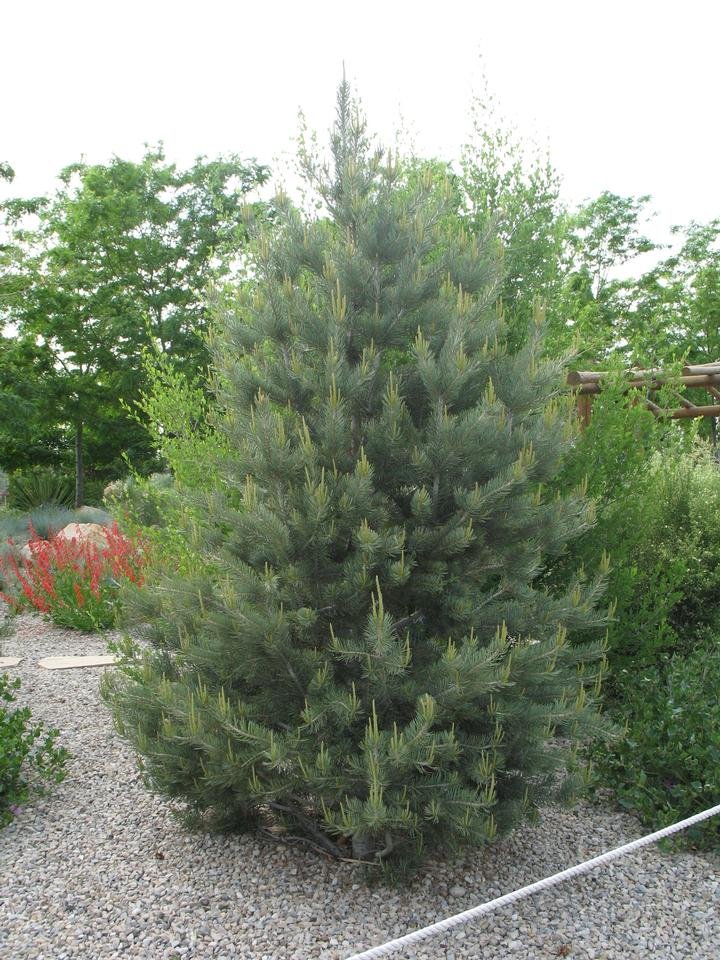
Landscape Use: Seldom planted though could do well on dry sites. Sometimes present as native trees in housing developments--trees in this situation often do poorly due to over-watering and root damage; pinyons in these situations also pose a fire hazard. Zones 4-8.
Leaves
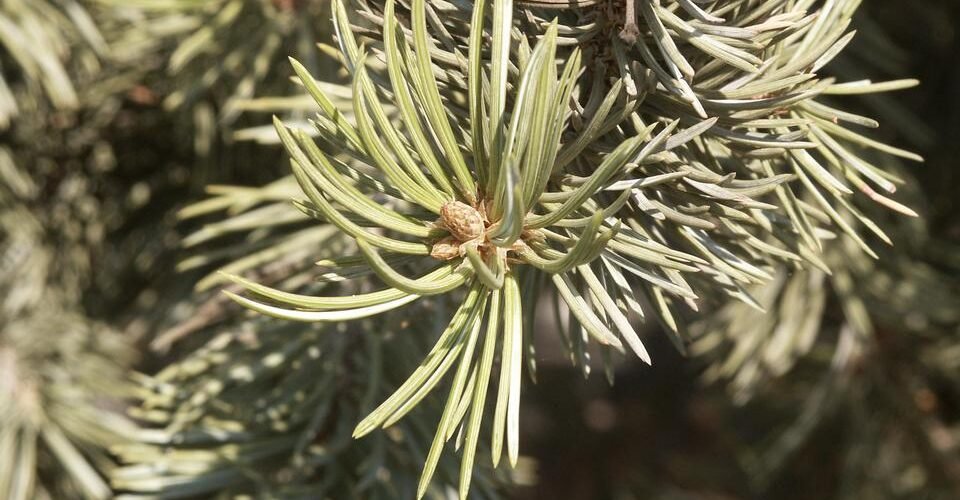
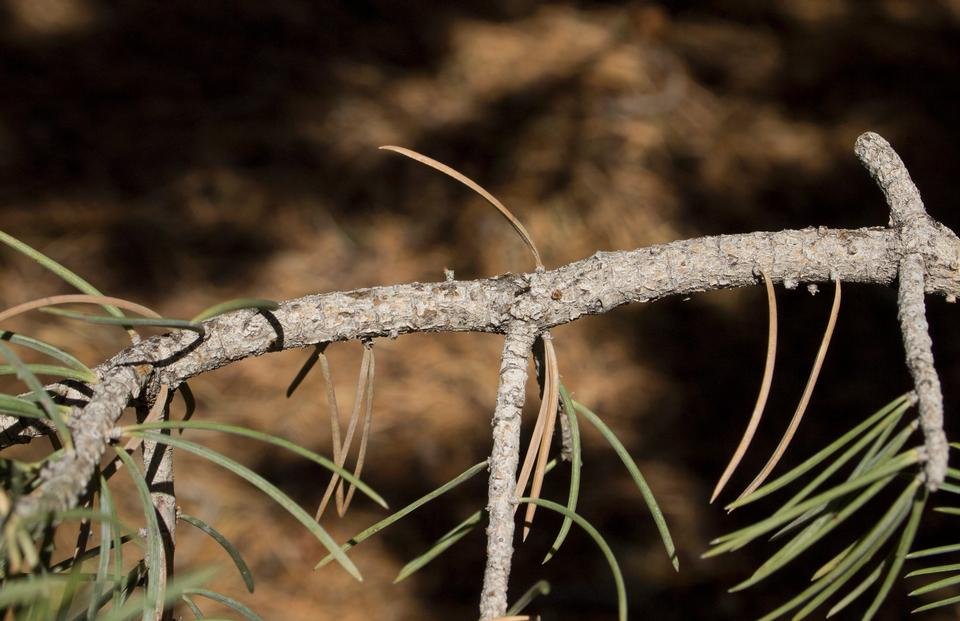
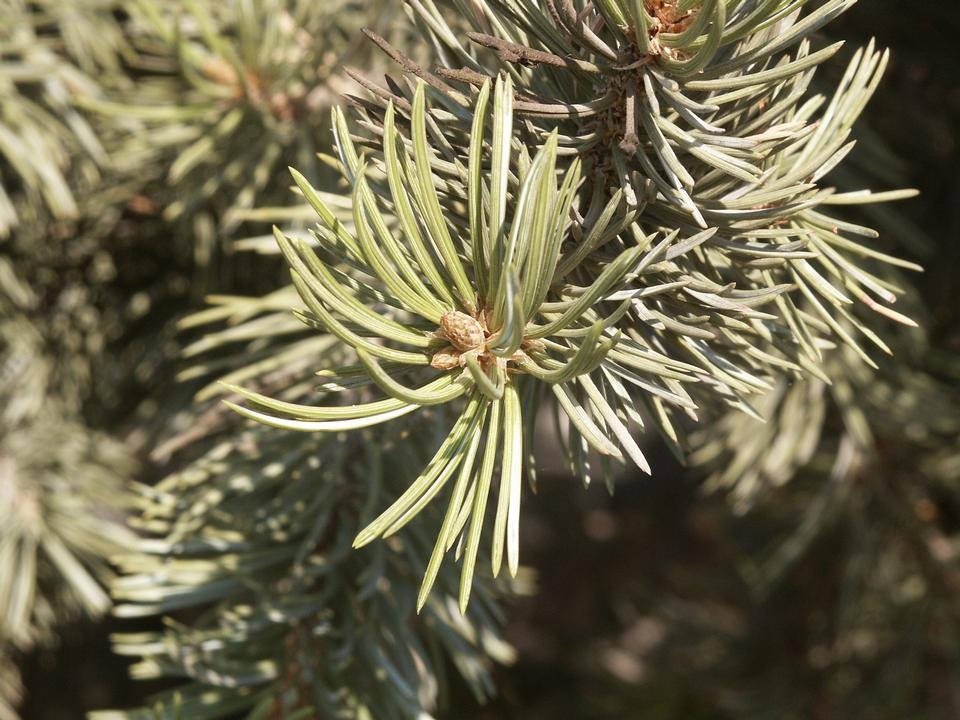
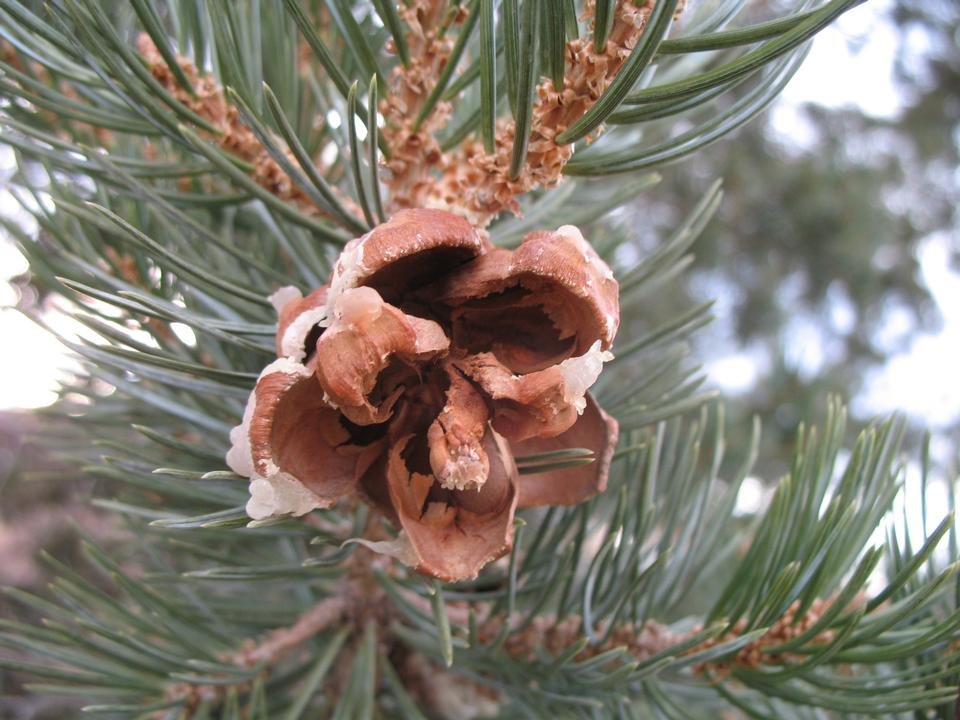
Needles in groups of 2; sometimes newest needles appear to be borne singly, but separate into 2s when squeezed gently; 1" to 2" long; fairly stiff; yellow-green; evergreen, remain on tree 3-9 years.
Pinaceae – Pine
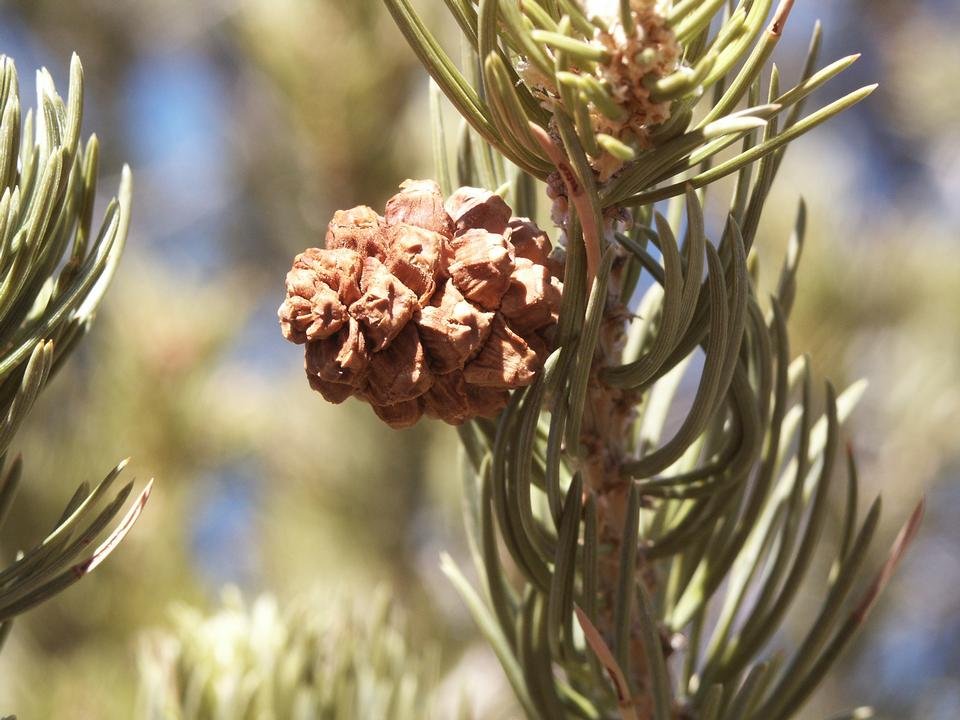
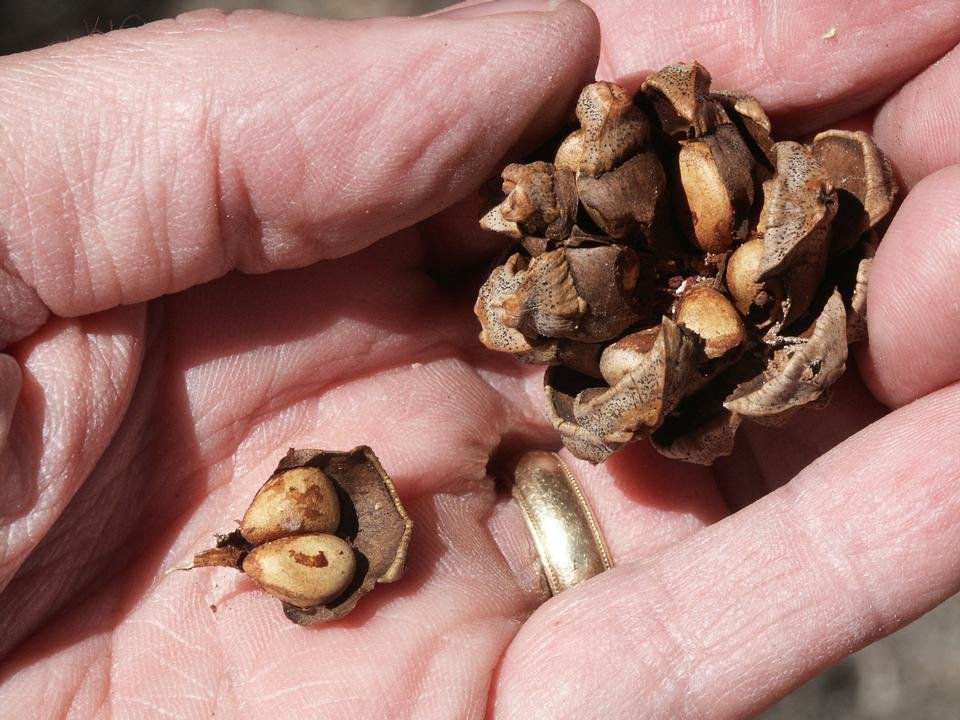
Flowers/fruit: Monoecious. Fruit a woody cone with very short or no stalk; 1" to 2-1/2" long; oval to round; reddish- brown; scales few and not tipped with a prickle; seeds wingless and large, about 1/2" long, thin-shelled, edible.
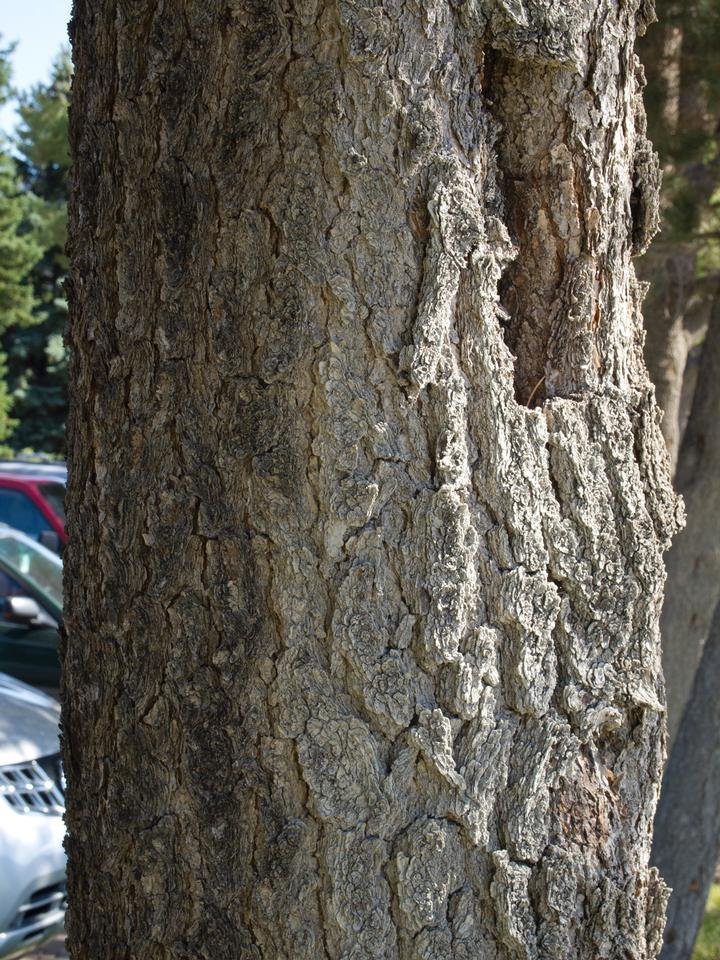
Bark: Fairly thin; ridged.
Wood: Unimportant except for firewood and occasionally fence posts; fairly hard.